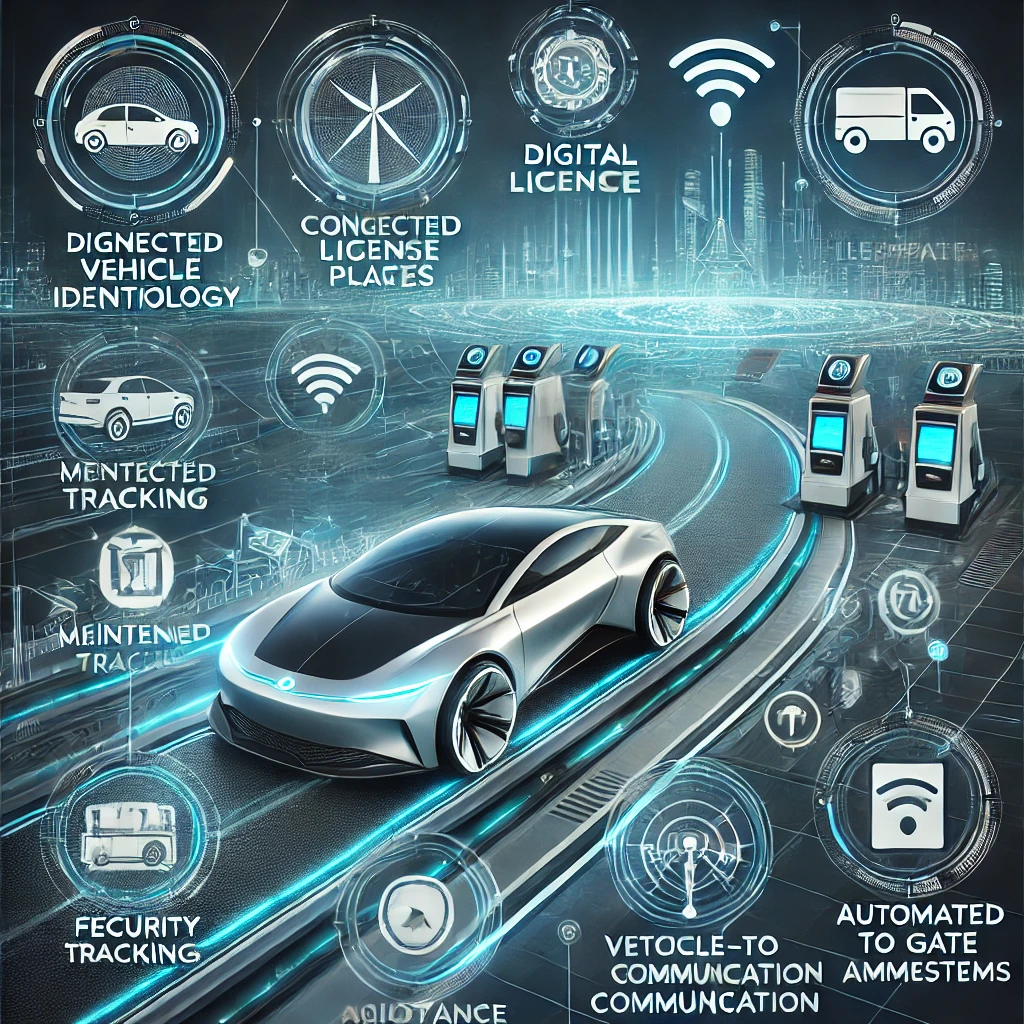
Revolutionizing the Driving Experience with Digital Vehicle Identification by Tecbeans
Imagine a world where you no longer manually register your vehicle, punch in gate codes, or stop at toll booths. Better yet, imagine being able to track and recover your car almost immediately after it’s stolen. This future is made possible with digital vehicle identification, a cutting-edge innovation redefining convenience, security, and automation in the automotive industry.
As auto manufacturers embrace digital transformation, digital vehicle identification sits at the center of this revolution. Leveraging technologies like Bluetooth, the Internet of Things (IoT), and cloud services, Tecbeans is driving forward a safer, more efficient driving experience.
What is Digital Vehicle Identification?
Digital vehicle identification, or Digital VIN, refers to embedding a vehicle identification number (VIN) directly into a car’s computer system. The VIN serves as your car’s unique identifier and integrates seamlessly with various systems for improved automation, user controls, security, and communication.
Digital VIN technology supports applications such as:
- Vehicle Registration and Forensics
- Maintenance and Repair Records
- Automation of Security Gates and Toll Booths
- Vehicle-to-Vehicle (V2V) Communication
- Insurance Claims Processing
With a digital VIN, every event in your car’s lifespan is stored, tracked, and communicated—enhancing the convenience and security of modern driving.
Moving from Manual to Digital Operations
Manual vehicle operations—like registration, toll payments, or accessing maintenance history—are repetitive and time-consuming. Digital vehicle identification eliminates these inefficiencies through automation and connectivity.
1. Digital License Plates
Digital license plates, already available in states like California and Arizona, represent a major step toward modernized vehicle registration. States like Texas, Georgia, and Michigan are also set to adopt them soon. Key features include:
- Customizable displays for improved visibility in different weather conditions
- Instant updates for vehicle registration
- Theft alerts and Amber alert notifications
This innovation streamlines annual registration processes while improving security and public safety.
2. Maintenance and Repair Records
Traditional VINs provide some maintenance history, but gaps often arise due to incomplete records or multiple ownerships. With digital VINs, mechanics can access your car’s complete history in real time.
For instance, Bluetooth sensors or IoT networks can retrieve:
- Repair and service history
- Insurance claims
- Collision data
This ensures faster, more accurate repairs, regardless of where you take your vehicle.
3. Driving Convenience and Automation
Using IoT and Bluetooth, digital vehicle identification simplifies everyday tasks, such as:
- Gated Community Access: Vehicles equipped with digital VINs can be automatically detected, opening gates without manual input.
- Toll Booths: Toll systems can scan digital VINs or license plates, billing you seamlessly as you drive through.
- Vehicle-to-Vehicle Communication (V2V): Cars can wirelessly exchange critical data, like speed, location, and navigation details. Ideal for group trips, V2V simplifies communication between vehicles.
Enhancing Security with Digital Transformation
Digital VINs also play a key role in improving vehicle security. In the event of theft, the VIN remains embedded in the vehicle’s system, making it traceable and recoverable in real time. Alerts for theft or unauthorized entry can notify you instantly, providing peace of mind.
The Future of Connected Vehicles with Tecbeans
The digital transformation of driving is here. Tecbeans is pioneering the integration of advanced platforms that connect drivers, vehicles, and external systems. By leveraging IoT, cloud technology, and vehicle networks, Tecbeans enables:
- Greater car-to-device communication
- Seamless collaboration with service providers, cities, and automotive leaders
- Innovative solutions for convenience, safety, and automation
Conclusion
Digital vehicle identification is redefining the automotive landscape. From streamlining registration and maintenance to enhancing security and driving convenience, this technology represents the future of connected vehicles.
Tecbeans stands at the forefront of this transformation, delivering innovative solutions that empower manufacturers, drivers, and service providers alike. Contact Tecbeans today to learn how digital vehicle identification can revolutionize your driving experience and drive automotive innovation forward.